


Best Ways to Store Wine: Your Go-To Guide
Are you unsure on how to store wine properly? Is a wine fridge better for you or would storing your collection on a wine rack be okay? Read through our guide on the best ways to store wine.
Why does wine storage matter?
Like most things we are passionate about, wine deserves to be treated with care and respect. Whether you’re a casual wine enthusiast or a seasoned connoisseur, proper wine storage is essential to preserving its quality and flavor. It’s not just about keeping your bottles in any old spot; it’s about creating the optimal environment to ensure that your wine matures gracefully and reaches its full potential.
Storing Wine Properly
The first rule of wine storage is to keep your bottles stored horizontally. This allows the wine to stay in contact with the cork, preventing it from drying out and letting air seep into the bottle, which can spoil the wine. Additionally, it’s important to protect your wines from harmful UV rays, which can cause it to degrade over time. For proper storing, maintaining temperatures of 55°-58°F is best, therefore, storing your wine in a dark place is your best option.
Shop Wine Storage


Humidity Levels for Proper Storing
Maintaining the proper humidity level is crucial for storing wine effectively. In addition to preventing cork shrinkage and potential leaks, adequate humidity, around 50%-70%, helps to preserve the integrity of wine labels, preventing them from becoming brittle or peeling off. However, it's important to strike a balance, as excessive moisture can lead to mold growth on labels and packaging. Utilizing humidity control devices such as humidifiers or dehumidifiers, can help maintain optimal conditions.
Furthermore, it's essential to adapt to seasonal changes in humidity and seek advice from wine experts for tailored recommendations based on your specific storage setup and collection. By paying attention to humidity levels alongside temperature and light exposure, you can ensure that your wine remains in pristine condition for enjoyment in the future.

Wine and Light Exposure
Exposure to light, especially ultraviolet (UV) light, can have detrimental effects on wine due to a process called photodegradation. This process involves the breaking down of organic compounds in the wine, leading to undesirable changes in taste, aroma, and color. UV light can cause the degradation of certain organic compounds in wine, such as riboflavin and other phenolic compounds, resulting in a phenomenon known as "lightstruck" or "lightstrike" wine. This can produce off-flavors, such as a "skunky" aroma similar to that found in beer that has been exposed to light.
To protect wine from light exposure, it's often stored in dark-colored bottles or stored in a dark environment. This is especially important for wines that are more sensitive to light, such as white wines and sparkling wines. Additionally, wine cellars and storage areas are typically designed to minimize exposure to light to help preserve the quality of the wine.
How to Store Wine Long-Term
If you’re planning to store your wine for an extended period, it’s crucial to find the right conditions to ensure its longevity. The ideal temperature for long-term wine storage is between 55°F and 59°F (12°C and 15°C). This range allows the wine to age slowly and develop complex flavors without the risk of it spoiling.
When storing wine long-term, it’s best to avoid fluctuations in temperature, as this can cause the wine to expand and contract, potentially damaging the cork and allowing air to enter the bottle. It’s also essential to keep your wine away from any strong odors, as they can permeate the cork and affect the flavor of the wine.
How to Store Wine after Opening
Unsure how to store an open bottle of wine? Should it go back on your wine rack or into a chilled environment? If your plans don't include finishing it within the next day, taking proper storage measures becomes important to uphold its rich flavor and aroma. One recommended approach is to use a wine stopper to reseal the bottle and then place it into a regular refrigerator or a wine fridge. It's worth noting that while white wines and sparkling varieties typically retain their quality for a few days post-opening, red wines can maintain their integrity for up to a week, provided they are properly sealed and chilled.
Don’t have a wine cork on-hand? A recommended alternative involves using plastic wrap to cover the bottle's opening, securing it with a reliable rubber band to create a makeshift seal that's surprisingly effective. This DIY solution serves the crucial purpose of minimizing air exposure, thus protecting your wine from premature oxidation and spoilage. By taking these steps, you ensure that each pour from your partially consumed bottle delivers the same delightful experience as the initial one.

Shop Wine Storage


Does Wine Storage Temperature Matter?
Your wine storage temperature can have a significant impact on your wine’s flavor and aroma. For example, storing wine at temperatures above 70°F (21°C) can cause it to age prematurely and develop off-flavors. On the other hand, storing wine at temperatures below 45°F (7°C) can slow down the aging process and prevent the wine from reaching its full potential.
Ideally, you should aim to store your wine at a constant temperature between 55°F and 59°F (12°C and 15°C). This will allow the wine to age gracefully and develop complex flavors over time.
How to Properly Age Wine
If you’re planning to age your wine, there are a few key factors to consider. First and foremost, you’ll need to find a suitable storage location with the right temperature and humidity levels. As mentioned earlier, the ideal temperature for aging wine is between 55°F and 59°F (12°C and 15°C), with a humidity level of around 70%.
It’s also essential to store your wine in a location where it won’t be disturbed or exposed to vibrations. This means avoiding places like the top of the refrigerator or near a washing machine, as these can cause the wine to shake and potentially disturb the sediment.
Bottle Positioning for Storing Wine
When it comes to preserving the quality and flavor of your cherished wine collection, proper bottle positioning is key. Storing wine bottles horizontally is widely recommended by experts for long-term storage. This position ensures that the cork remains in contact with the wine, keeping it moist and preventing it from drying out. A dry cork can lead to oxidation and spoilage of the wine, ultimately affecting its taste and aroma. By storing wine horizontally, you not only safeguard the integrity of the cork but also help prevent sediment from settling unevenly in the bottle. While vertical storage can be suitable for short-term, 6 months or less, or limited-space situations, it's best reserved for wines with alternative closures like screw caps or synthetic corks.
Ultimately, whether you're a casual enthusiast or a serious collector, proper bottle positioning is a simple yet crucial step in ensuring that your wines age gracefully and delight your palate for years to come.
Where is the Ideal Place to Store Wine?
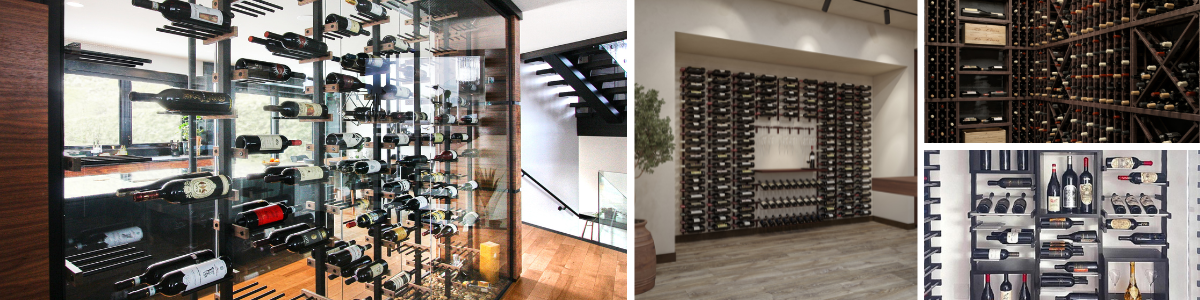
When it comes to how to store wine and where, there are a few options to consider. If you have a large collection or plan to age your wine long-term, investing in a wine fridge or wine cellar where you can control the wine storage temperature, is your best bet. A wine fridge is designed to maintain the perfect temperature and humidity levels for wine storage, ensuring that your bottles age gracefully and reach their full potential. If a wine fridge won’t hold your full collection, we recommend a temperature controlled wine storage space.
If you’re short on space or only have a few bottles to store short-term, a wine rack can be a practical and stylish solution. Choose a wine rack that is the shape and style that fits your needs and complements your decor.
Ultimately, the key to how to store wine properly is consistency. Whether you’re storing your wine long-term or after opening, maintaining the right temperature, humidity, and conditions will ensure that your bottles stay in peak condition and deliver an unforgettable drinking experience every time.
Shop Wine Storage


Complimentary Design Services
Let our skilled designers bring your dream wine storage solution to life. With over 20 years of experience, our team is passionate about creating the perfect design just for you.
Start A Design Now